Expert Tire Repairs: Return to Driving Safely and Fast
Professional tire services play a crucial role in assuring vehicle protection and operation. Skilled technicians perform detailed inspections to pinpoint different tire problems. From flats to alignment issues, every problem requires careful consideration. Knowing when to get professional support can prevent additional issues. As drivers deal with these obstacles, they might ponder about the optimal repair options and care routines. Looking into these matters can result in sound choices and more secure travels moving forward.
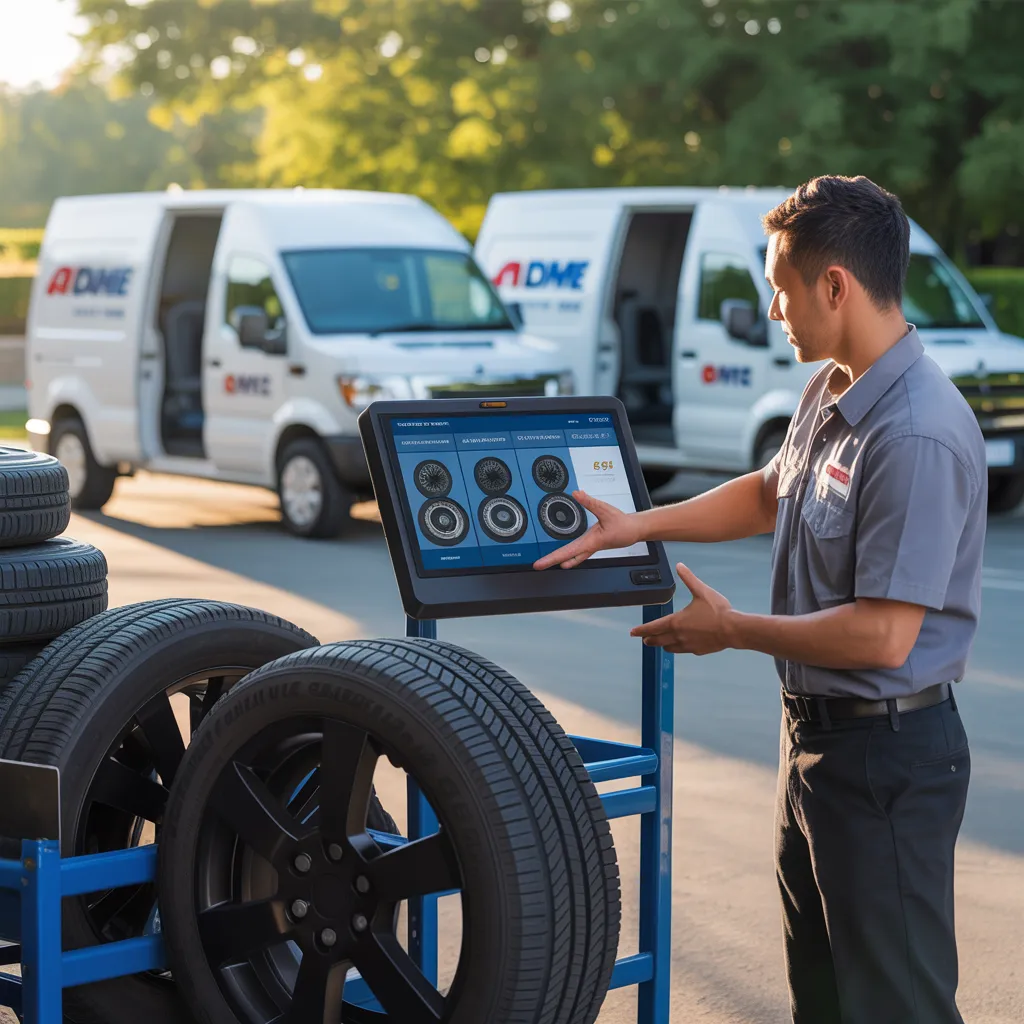
Everyday Tire Complications to Keep in Mind
When drivers fail to check their tires, they may face several typical problems that can compromise safety and performance. One frequent occurrence is underinflation, which can cause increased tire wear and lower fuel efficiency. Over time, this can cause the tires to overheat, increasing the risk of a blowout. Another common problem is tread wear, which affects traction and handling, particularly in wet conditions. Uneven wear may indicate alignment or suspension issues, necessitating further inspection. Additionally, drivers may face punctures or sidewall damage from road hazards, resulting in slow leaks or complete tire failure. Regular tire rotations, inspections, and proper inflation are essential for preventing these issues. Finally, weather-related factors can also add to tire degradation, making it vital for drivers to pay close attention to their tire health. By identifying these common problems, drivers can improve their safety on the road.
How to Figure Out When to Get Tire Maintenance?
Identifying the symptoms that tire repairs are vital is key for maintaining vehicle safety and performance. Drivers ought to stay alert for particular indicators that reveal tire complications. Asymmetrical wear formations on the contact surface, for instance, may signal tracking problems or insufficient inflation. Moreover, obvious deterioration, like cuts, bumps, or perforations, commonly requires quick attention. A sudden reduction of air pressure or recurring requirement for inflation also indicates that servicing may be essential.
Car operators should monitor closely handling and performance changes, such as oscillations or pulling to one side, which could suggest tire imbalances or internal damage. Finally, consistently checking tread depth is critical; tires with areas of wear compromise traction. By watching for these signs, drivers can confirm timely repairs, boosting both safety and vehicle longevity. Addressing these problems promptly not only stops potential accidents but also reduces more extensive repair costs in the future.
Insights Into What Happens During Tire Service Work
The tire fixing procedure typically includes several key steps to ensure safety and effectiveness. Initially, a technician copyrightines the tire for visible damage and evaluates its overall condition. This inspection helps decide whether the tire can be repaired or needs replacement. Following the inspection, the technician may take off the tire from the wheel to identify punctures or internal damage.
Once any issues are identified, the technician sanitizes the damaged area and readies it for restoration. This may include installing a seal or plug, depending on the type and location of the damage. After the repair is completed, the tire is reinstalled and properly filled to the manufacturer's requirements.
Finally, a quality check confirms that the restoration satisfies safety requirements. Throughout the process, technicians emphasize interaction, informing the client of results and recommendations. This systematic method guarantees a dependable restoration, enabling motorists to get back to the road with confidence.
DIY Tire Restoration Measured against Professional Solutions
Upon learning the tire restoration process, many drivers may consider whether to tackle repairs independently or get professional assistance. DIY tire repairs can be attractive, notably for those with fundamental mechanical expertise and implements. Easy punctures can often be mended using repair kits available at auto retail stores, saving both effort and money. However, this strategy carries risks if appropriate methods are not followed, potentially resulting in further deterioration or protection concerns.
Conversely, professional tire repair services present proficiency and advanced tools. Trained technicians can accurately evaluate tire issues, ensuring repairs prove effective and sound. They can also uncover underlying problems that a do-it-yourself method might fail to notice. Ultimately, the choice between do-it-yourself repairs and expert help is based on the operator's assurance, experience, and severity of tire damage. Establishing a thoughtful choice is essential for keeping yourself safe on the road.
Steps for Choosing the Superior Tire Repair Service
How should motorists make sure they choose the finest tire repair service? First, they should research regional options, focusing on customer reviews and ratings. This information provides insight into the service quality and consistency of various shops. Next, checking for qualifications and memberships with recognized automotive organizations can reflect professionalism and expertise.
Moreover, drivers should inquire the repair options offered, ensuring the service can handle their distinct tire problems. Transparent pricing is also necessary; reputable services furnish explicit estimates without unexpected fees.
Moreover, analyzing the shop's warranty policies on work performed can deliver peace of mind. Finally, ease of access is crucial—distance from your residence or job, as well as business hours, can shape the decision. By reviewing these factors, drivers can assuredly pick a tire repair service that satisfies their requirements efficiently.
Benefits of Frequent Tire Maintenance
Regular tire upkeep offers numerous benefits that extend the life span and performance of tires. By regularly inspecting tire pressure, tread depth, and overall condition, vehicle owners can ensure optimal grip and handling. Proper inflation reduces wear, improving fuel efficiency and reducing costs at the pump. In addition, routine checks can help identify problems such as uneven wear or damage, enabling for prompt fixes that avoid more significant problems down the road.
Maintaining wheel tires also increases safety by minimizing the chance of blowouts or accidents due to damaged tread. Moreover, a well-maintained set of tires helps provide a smoother ride, improving comfort for both the driver and passengers. By investing time in regular tire care, individuals can maximize the value of their investment, securing reliable performance and peace of mind while driving. Finally, maintaining tires regularly is a crucial element of being a responsible vehicle owner.
Strategies for Dodging Future Tire Problems
Taking a proactive approach to tire maintenance can greatly reduce the likelihood of potential problems. Regularly checking tire pressure is crucial; underinflation can result in premature wear and reduced fuel efficiency. It is prudent to check tires for noticeable deterioration, such as cuts or bulges, which may reveal structural issues. Switching tires every 5,000 to 8,000 miles helps assure even wear, extending their lifespan.
In addition, maintaining correct alignment and balancing is important to prevent uneven tread wear. Drivers should also review tread depth, employing the penny test as a simple method; if Lincoln's head is visible, it's time for a new tire. Finally, preventing overloading the vehicle can minimize excessive strain on tires. By applying these strategies, vehicle owners can boost tire longevity and promote a safer driving experience.

Frequently Inquired Questions
What length of time should you expect for a standard tire fix?
A routine tire repair ordinarily requires roughly 30 minutes to an hour contingent on the degree of damage and the exact repair needed. Aspects like technician availability and shop demand can also impact the length of time.
Is Every Tire Kind Able of Being Repaired?
All tire types cannot necessarily be restored. As a rule, punctures in the tread of passenger tires may be repairable, but sidewall damage, critical wear, or tires with various prior repairs frequently call for new tire installation to guarantee safety.
How Much Does Tire Service Cost?
Tire fix expenses typically span from $10 to $30, contingent on the severity of wear and location. Different considerations including tire type and the repair facility could impact your final price tag, making prices vary.
Is Tire Repair Protected by Your Insurance Policy?
Tire damage coverage varies depending on which insurance policy you have. Various policies feature on-road help or repair costs, but others exclude these services. It's critical for people to copyrightine essential information their specific policy details to determine their protection regarding tire fixes.
How Can I Extend the Lifespan of My Tire?
To extend a tire's service life, regular maintenance is essential. This encompasses maintaining proper tire pressure, rotating tires frequently, checking wheel alignment, avoiding overloading, and checking tread wear for indicators of deterioration or harm.